

During this week’s Bloom Connections Educational Moment, Ashley Young, founder of Ascension Impact, pulled back the curtain on that side of events. As she put it, “Not the pretty Pinterest part, the production part.” Whether you are hosting a launch, a party, a workshop, a retreat, a client appreciation night or a wedding, the framework she shared applies.
Planning and Production Are Two Different Jobs
Planning is the vision. Production is what happens when the DJ is running late, the room hasn’t been flipped and your speaker can’t find parking. Ashley described her job as protecting the day itself so her clients get to be present for it.
She framed production around three things every producer controls: the hidden timeline, transition buffers and the calm pivot. Each one addresses a different place where events tend to break.
Build the Hidden Timeline Your Guests Never See
Ashley builds it by starting at the moment the doors open and working backward. The question she asks is what has to be true at 6:00 p.m. for the doors to open. The check-in table needs to be set and staffed, so her team arrives at 5:15 for a huddle and walkthrough. Before that, sound and lighting need to be finished, which puts them at 4:30. Before that, rentals and vendors need to load in, which puts them at 3:30.
Once the timeline is mapped, she puts a name next to every line. “If no one owns it, it’s not getting done.” A task that belongs to everyone tends to belong to no one, and on event day there is rarely time to figure out who should have handled it.
Protect Every Transition With a Buffer
Her rule is at least 15 minutes between each transition, and 30 minutes if you are flipping a room. If the event ends up running ahead of schedule, nobody is upset. Guests get more time to mingle, and the host gets a moment to breathe, grab a drink or simply reset before the next part of the program.
Use the Calm Pivot When Something Goes Wrong
When something shifts, she pauses, assesses, decides and then tells. First, take a breath. Then figure out what is actually affected, because the problem is usually smaller than it feels in the moment. Choose the fix, and only then inform the people who need to know.
That last step matters as much as the fix itself. Ashley’s standard is that guests should never see you sweat. If they can tell something went wrong, she said, that is the real problem.
What Preparation Makes Possible
Because the production timeline, every vendor contact and every arrival time had already been mapped out, the team was able to move the entire event. Ashley handled the vendor calls and reworked the timeline so the couple could focus on each other instead of logistics.
In their review, the couple wrote that she never allowed the stress of the situation to become theirs, and that they were able to be fully present with their family and friends. They closed by saying she was no longer someone they had hired for their wedding. She was family. For Ashley, that is the point of the work.
You Can't Be the Host and the Producer
She is often asked whether a client needs their own coordinator if the venue already has one. Her answer is yes. The venue coordinator works for the venue. A day-of producer works for you.
The same principle applies well beyond weddings. At your launch or your workshop, your role is to be the face in the room greeting people and selling, not running around looking for an extension cord. Ashley’s production approach is designed to make that possible. She brings a vendor contact sheet with everyone on one page, one point person who can make decisions and who isn’t the host, a production timeline with an owner on every line, an emergency kit and a plan B for weather and tech that is decided before the day rather than during it.
She also brings a printed run of show. Phones die, Wi-Fi drops and tablets run out of battery, usually at the worst possible moment. Having the plan on paper means the event doesn’t depend on any one device.
The Same Lesson Applies to Your Webinars and Workshops
The host and producer principle may matter even more online. When the person teaching is also admitting people from the waiting room, troubleshooting audio and posting links in the chat, their attention is split at exactly the moment it should be on the audience. Vashti Patrick-Joseph shared a saying from her husband, a software engineer, that captured the contingency planning mindset: one is zero, and two is one. If you only have one plan, you effectively have none.
Building a Small Team for Recurring Events
During the Q&A, Chikanma asked what a production team looks like for a small business that plans to host in-person events regularly, such as dinners or brunches for women in business.
Ashley’s answer was that you don’t need a full team for every event, but you do need a day-of coordinator who can serve as your right-hand person while you work the room. That coordinator can bring in what each event requires, whether that is an audio tech, a catering vendor or extra help with cleanup and breakdown.
She also encouraged knowing your team’s calendars and strengths. Some people can only support weekend events, and some are at their best with groups under 100 rather than rooms of 300 or more. From there, keep a spreadsheet of every contact and helper, and build each timeline backward from arrival, including how long you will have access to the space for setup and a run-through.
About Ashley Young and Ascension Impact
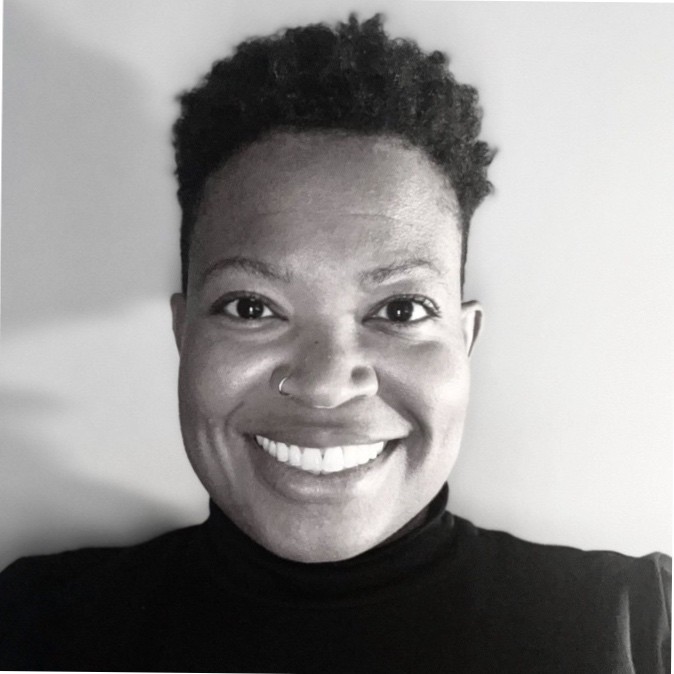
Ashley takes only one event per weekend so she can stay fully focused on each client, and Ascension Impact gives 3% of its net profit back to nonprofits. She offers free consultations for anyone hosting an event who wants to actually enjoy it. You can connect with her on LinkedIn.
Ashley also turned much of her framework into the AI Event Co-Planner, a set of five prompts for ChatGPT, Claude or Gemini that builds an event timeline, budget tracker, run of show, vendor emails and day-of pivot plan. It is normally $27, and Bloom members can use code BLOOM30 through Wednesday, October 21.
CLICK HERE TO Get the AI Event Co-Planner
Learn Something. Share Something. Grow Together.
Educational Moments inside Bloom Connections give women in the community an opportunity to bring what they know into the room and give the rest of us something useful to apply to our own businesses. For this one, start with the next event on your calendar, whether it is a launch, a workshop or a webinar. Begin at the moment the doors open or you go live, count backward to set every arrival time, add 15 minutes to every transition and 30 to every room flip, and choose a point person who isn’t you. Give them the contact sheet at least two days ahead so they aren’t learning it on the fly.
Then ask yourself which parts of your events you are still producing when you should be hosting. When something you learn through a Bloom Educational Moment changes the way you think about your business, put it to use, share what you learned and carry the knowledge forward.