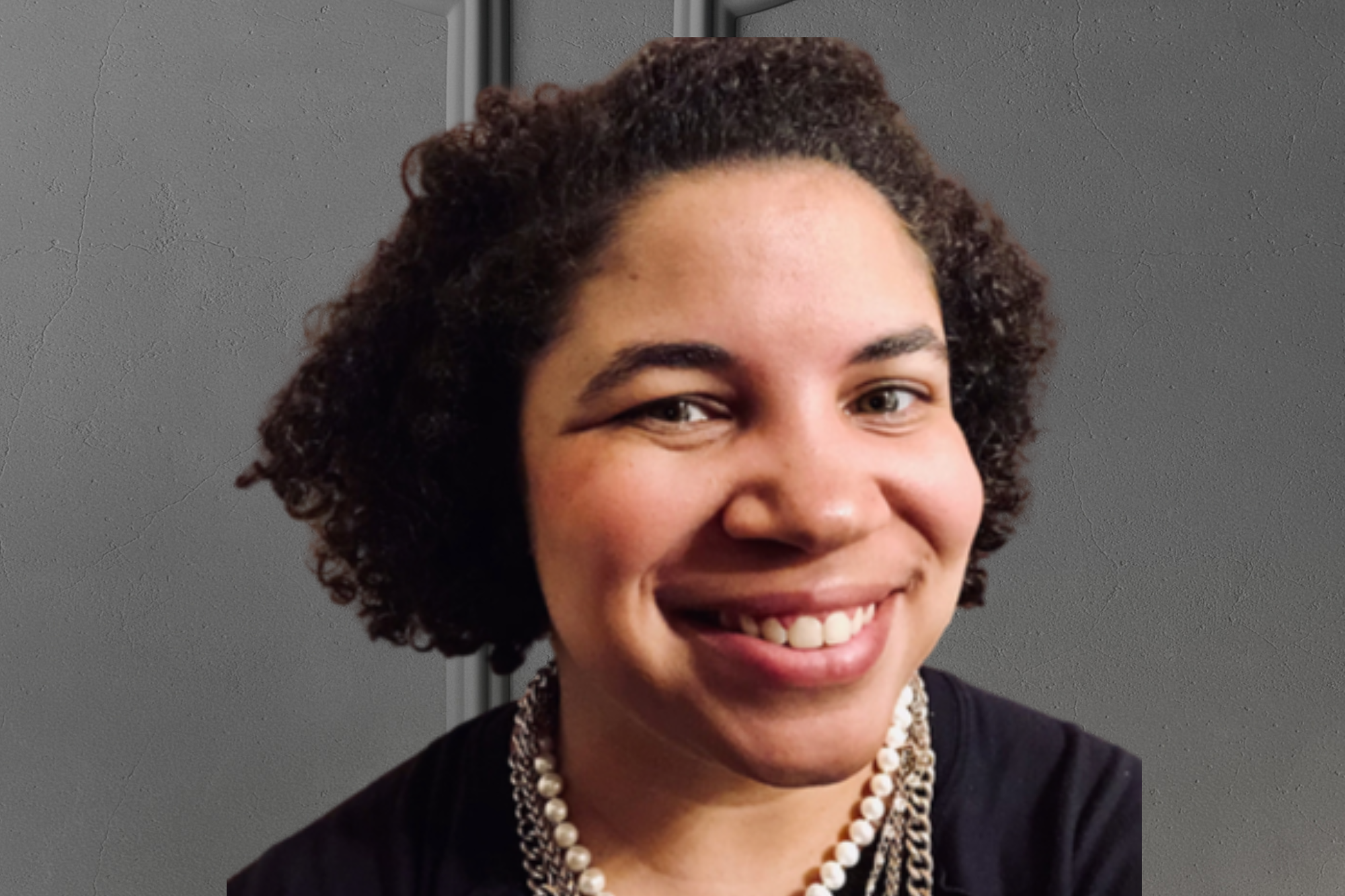
During a Bloom Connections Educational Moment, Dr. LaToya Hinton, founder of Toybird Positive Impact Funding, introduced the group to several ways entrepreneurs and nonprofits can think differently about raising money for their work.
The conversation started with a real need from within the Bloom community: finding funding to support business operations and professional development.
LaToya used that question to introduce three crowdfunding resources and an equally important lesson about what makes people want to support your work in the first place.
1. Bonfire: Turn Merchandise Into a Fundraising Campaign
The first resource LaToya introduced was Bonfire.
At first glance, it may look like a platform for creating and selling branded T-shirts, mugs, hats and other merchandise. But LaToya pointed out its fundraising capabilities.
Businesses can create merchandise campaigns that direct a portion of the proceeds to a nonprofit, while eligible nonprofits can create their own fundraising campaigns.
That creates another way to think about fundraising.
Instead of simply asking someone to donate, an organization can create something connected to its mission, community or campaign that supporters can purchase and share.
2. Philanthropy Together: Explore the Power of Giving Circles
Next, LaToya introduced Philanthropy Together and the concept of giving circles.
A giving circle brings people together to collectively contribute money and decide where those resources will go.
LaToya highlighted the platform as a place where people can find existing giving circles in their communities or explore creating one themselves. She even raised the possibility of Bloom Connections exploring a giving circle in the future.
Her larger point was about what happens when funding becomes more community-driven.
Entrepreneurs and organizations do not necessarily have to think about funding as something controlled only by traditional institutions. Communities can organize resources around the people, businesses and causes they want to support.
3. iFundWomen: Build a Crowdfunding Campaign Around Your Business
The third resource was iFundWomen, a crowdfunding platform created specifically for women entrepreneurs.
LaToya walked through how a campaign can include your company information, campaign title, tagline and pitch.
But this is where her Educational Moment moved beyond simply giving us another website to bookmark.
She talked about what belongs inside the pitch.
A funding request becomes stronger when you can demonstrate what you have already accomplished.
That could include:
- Revenue or sales results
- Customer testimonials
- Client feedback
- Website or social engagement
- Audience growth
- Other measurable outcomes connected to your work
LaToya encouraged the group to think about both the stories people tell about their work and the numbers that demonstrate its impact.
Your Successes Are Part of Your Funding Story
One of LaToya’s strongest takeaways was:
“All communications of your successes are valid.”
Her point was that accomplishments do not have to reach some arbitrary size before they are worth documenting.
If a customer sends a great testimonial, save it.
If a program reaches a new milestone, document it.
If engagement increases, record it.
If your work produces a measurable result for the people you serve, capture it.
These pieces begin creating the evidence behind your funding story.
As LaToya explained, the goal is to record those successes and communicate them to people who may be able to support the work.
Crowdfunding Is Still About Making a Case for Your Work
It can be tempting to think finding the right funding platform is the difficult part.
LaToya’s Educational Moment pointed to a deeper question:
When someone finds your campaign, have you given them a compelling reason to believe in what you’re building?
That is where testimonials, results, impact data and a clear explanation of what the funding will make possible become valuable.
This thinking also extends beyond crowdfunding.
During the discussion after her presentation, LaToya explained that businesses approaching grants may need to strengthen their data, reporting and partnerships before pursuing certain opportunities. In some cases, her work involves creating a roadmap so a client understands what is missing and what their next steps could be.
That means funding readiness is not simply about finding money.
It is also about being able to demonstrate what you have built, who it helps and what additional resources could make possible.
About Dr. LaToya Hinton
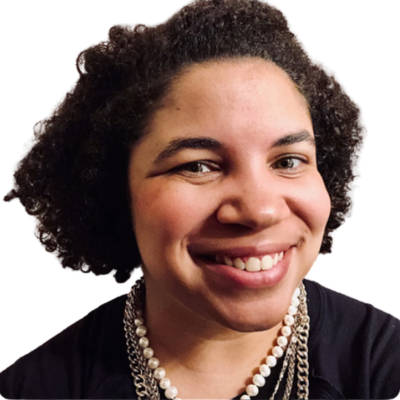
Dr. LaToya Hinton is the founder of Toybird Positive Impact Funding, where she works with mission-driven businesses and nonprofits seeking grants, partnerships and external funding opportunities.
Her work includes grant writing and advising organizations on the pieces that can make them more prepared for funding, including impact data, reporting, partnerships and the story they are able to tell about their work.
Frequently Asked Questions
Learn From the Expertise Inside Bloom Connections
Bloom Connections Educational Moments give members a few minutes to share something they know that can help another business owner think differently, discover a resource or make their next move.
Dr. LaToya Hinton’s session gave us three resources to explore.
But it also left us with a bigger question:
If an opportunity to fund your next idea appeared tomorrow, would you have the evidence to show why your work is worth supporting?
That is worth thinking about long before you start filling out an application.